









Quality matters in the language business. Over the decades, the tools and techniques we’ve adopted have helped ensure that translated content meets defined standards for accuracy, terminology, fluency, and style. They also provide a structured way to measure vendor performance over time. That’s why Language Quality Assurance (LQA) remains a vital part of any localization program.
Day to day, running LQA requires experienced reviewers, consistent scoring criteria, and time for full bilingual review. As AI-assisted translation increases output and content moves through production more quickly, QA programs are expected to keep pace. Any project manager will tell you: maintaining that level of manual review is a logistical headache. Traditional LQA often turns into a grind of subjective debates over personal preferences, dragging out timelines and frustrating every release.
Today, we’re here to talk about Argos MosAIQ LQA, our AI-driven workflow for language quality assurance. It applies defined error categories and severity levels to bilingual content, filters out false positives, and sends confirmed issues to a human linguist before final reporting. The result is a structured, repeatable quality evaluation without requiring manual review of every segment.
A Closer Look at Old-School LQA
In most localization programs, LQA happens through full bilingual review. A reviewer works through the source and target text line by line, flags errors, assigns severity, and documents findings according to predefined criteria.
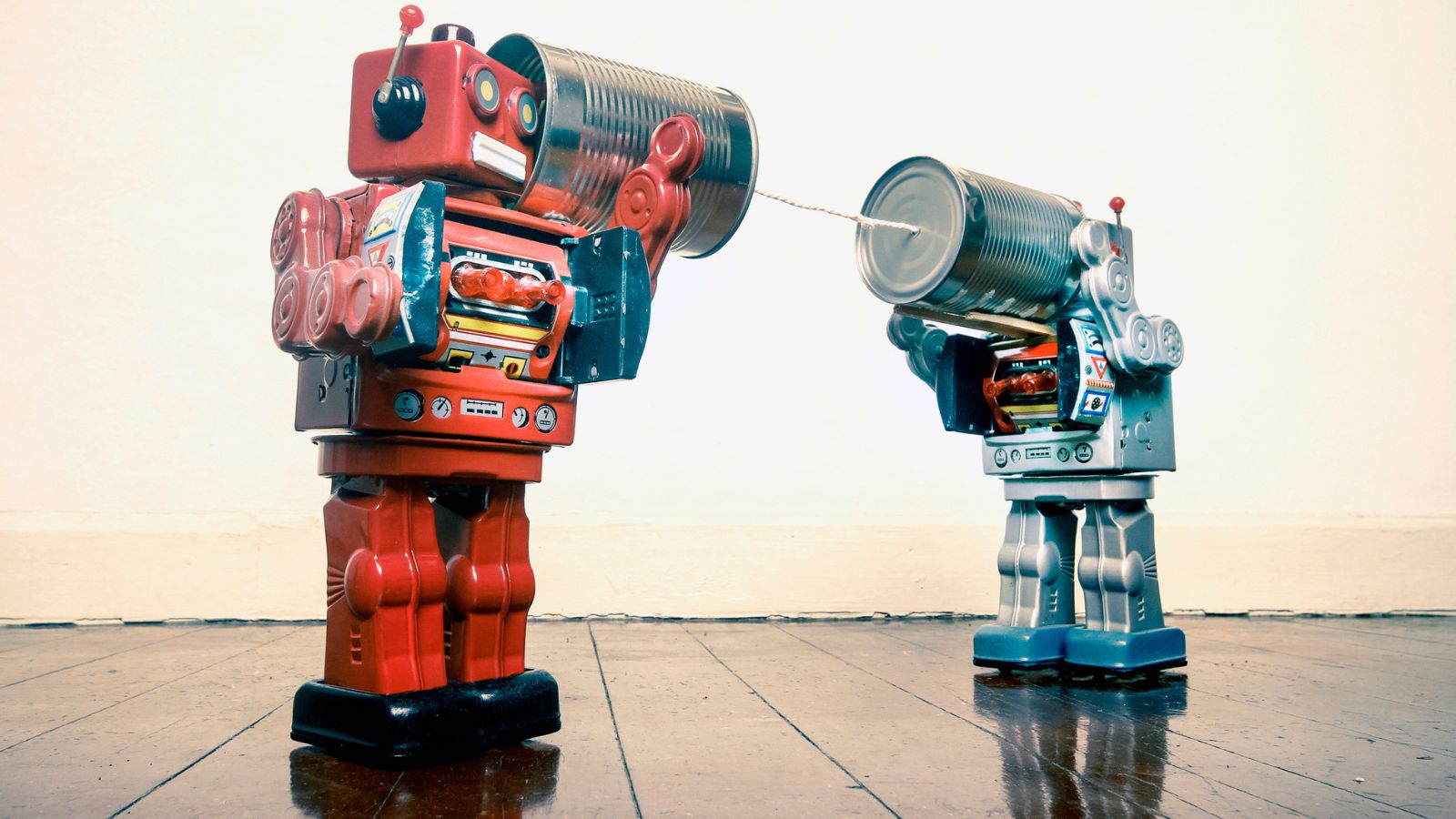
This process depends on human judgment at every step. Even with clear guidelines, reviewers may interpret severity differently or categorize the same issue in different ways. Over time, that variability can make it difficult to compare results across projects, vendors, or languages with complete confidence.
Because every segment gets reviewed manually, each additional language and release adds to the process. In larger programs, LQA can become one of the most resource-intensive parts of the workflow. Once review is complete, findings still need to be consolidated and translated into reporting that stakeholders can use.
Now, what happens when we use AI to simplify the process and improve results?
Introducing Argos MosAIQ LQA
At its core, Argos MosAIQ LQA is a configured language quality workflow. It reviews bilingual content using AI to identify and categorize errors, applies predefined scoring criteria and severity levels, and routes flagged segments to a human linguist for validation before final reporting.
Keep in mind that it doesn’t replace the principles of language quality evaluation. The same error categories, severity definitions, and scoring logic remain in place. What changes is how the review is carried out. Instead of relying on full human bilingual review as the starting point, Argos MosAIQ LQA structures the process so that automated detection, validation, and human confirmation occur in a defined sequence. Here’s how it works:
Step 1: Alignment
Argos MosAIQ LQA is configured to your quality framework. Style guides, terminology, error categories, and severity levels are defined and weighted according to your requirements.
Step 2: AI Review (AI Agent 1)
The first AI agent reviews bilingual source and target segments. It identifies potential errors, assigns categories, and applies severity based on the configured criteria.
Step 3: AI Validation (AI Agent 2)
A second AI agent evaluates those findings. It filters out false positives, adjusts severity where appropriate, and confirms categorized issues before they move forward.
Step 4: Human Review
A linguist reviews flagged segments only. The reviewer confirms or corrects identified issues and ensures no critical errors were missed.
Step 5: Reporting and Integration
Findings are compiled into a comprehensive quality report. Results can be delivered via Excel, integrated into BI tools, or connected to your existing TMS or reporting systems.
What this workflow changes is the unit of work. Instead of paying for complete bilingual coverage, you pay for confirmation and correction of identified issues. Reviewers spend their time validating real findings and adding context where it matters, and the output is ready to use as a quality record and a basis for decisions.

A Closer Review, Less Manual Effort
In many LQA programs, quality standards are clearly defined. Applying them across every segment requires review capacity that does not always align with available budgets and release timelines. When evaluation depends entirely on manual bilingual review, coverage is often adjusted to match available reviewer capacity, and comparison across vendors or releases can require additional interpretation to account for differences in how scoring was applied.
Argos MosAIQ LQA allows teams to apply the same evaluation framework across the full content set without increasing manual effort. Because the system operates according to predefined error categories and severity criteria, scoring remains aligned to the configured standards throughout each review cycle. Human reviewers validate identified issues rather than carrying the full burden of detection, which concentrates expertise where judgment is most valuable.
Over time, this produces a more stable basis for vendor comparison and trend analysis. Quality results are generated from the same configured framework across languages and releases, and reporting data is structured from the outset, reducing the need for post-review normalization or consolidation. Mid-sized programs can complete evaluation cycles in days rather than weeks, and once the configuration is in place, subsequent releases follow the same model without additional setup.
Argos MosAIQ LQA and the MosAIQ Platform
Argos MosAIQ LQA functions as the evaluation layer within the broader MosAIQ ecosystem. While Argos MosAIQ translation workflows manage content creation, translation, and review, MosAIQ LQA applies a quality assurance model to completed content using defined scoring criteria.
It can be deployed as part of a fully managed Argos MosAIQ program or introduced into existing translation workflows that require consistent vendor benchmarking or recurring quality audits. Organizations don’t need to replace established standards or existing benchmarks. For programs operating in continuous localization environments, Argos MosAIQ LQA supports objective quality measurement within regular release cycles.
A Sustainable Solution for Regulating Quality
This level of oversight is essential for organizations that require data-driven governance across various languages and vendors. By automating the mechanical checks, Argos MosAIQ LQA provides a stable quality baseline that remains effective even as your content volume grows.
For teams managing continuous localization or recurring evaluation cycles, Argos MosAIQ LQA provides a dependable way to maintain quality standards without increasing operational complexity.
To learn how Argos MosAIQ LQA can support your language quality program, contact us.
 Jose Cotes
10 min. read
Jose Cotes
10 min. read
Multimedia localization uses subtitles, dubbing, voice-over, and on-screen text to make video and audio content understandable in every language.

 Argos Multilingual
2 min. read
Argos Multilingual
2 min. read
Argos Multilingual has been included in The Forrester Wave: Localization Services, Q3 2026, an independent evaluation of the localization market.